Are All-Terrain Electric Scooters a Smart Choice for Versatile Everyday and Outdoor Riding?
Posted in CategoryGeneral-
GGnx303` 1 week ago
All-terrain electric scooters are gaining attention as more riders look for flexible and capable alternatives to traditional transportation. Unlike basic electric scooters that are mainly designed for smooth city streets, all-terrain electric scooters are built with features that can provide better stability and comfort across a wider variety of suitable surfaces. Their combination of larger tires, stronger motors, suspension systems, durable frames, and reliable braking technology makes them appealing to commuters, recreational riders, and electric mobility enthusiasts.
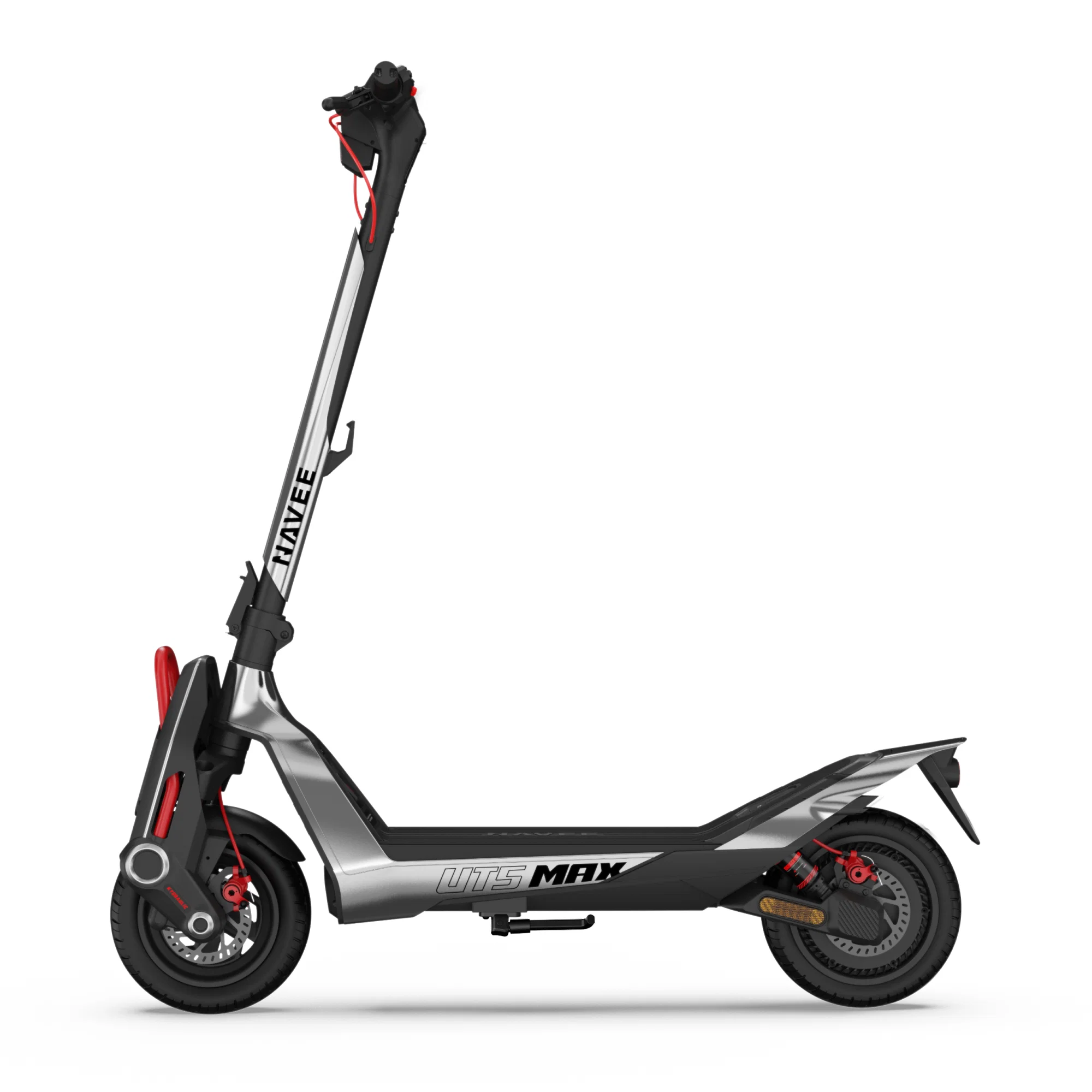
The growing electric scooter market now includes many specialized categories, including off-road electric scooters, long-range electric scooters, dual-motor electric scooters, high-performance electric scooters, and commuter electric scooters. Among these options, all-terrain models are particularly interesting because they attempt to balance everyday practicality with additional capability for rougher roads and approved outdoor routes.
Selecting the right scooter involves more than looking at maximum speed or motor wattage. Battery capacity, tire construction, suspension, braking, weight, deck design, durability, and intended riding environment all influence the overall experience. Understanding these features can help riders choose an all-terrain electric scooter that matches their transportation needs.
Are All-Terrain Electric Scooters Designed for Different Surfaces?
The biggest advantage of all-terrain electric scooters is their versatility. These scooters are generally designed to handle smooth pavement while also offering improved stability on rougher but appropriate surfaces. This can be useful for riders whose daily routes include cracked streets, uneven pavement, compact gravel paths, or other mixed surfaces where a lightweight city scooter may feel less comfortable.
Tire design plays an important role in this versatility. All-terrain electric scooters often use wider tires with tread patterns that can provide improved traction. Pneumatic tires can also absorb some road vibration, helping create a smoother ride over minor imperfections. Tubeless tire designs may provide additional practical benefits depending on the scooter's construction and maintenance requirements.
Suspension is another major feature. Front and rear suspension systems can reduce some of the impact transmitted from uneven surfaces to the rider. A well-designed suspension system can improve comfort while also helping keep the scooter more stable when traveling over bumps and rough pavement.
The frame and deck also contribute to durability. Strong construction can help the scooter withstand normal vibration and impact associated with mixed-surface riding. A wide deck can provide a more stable standing position, while a balanced frame can improve handling and rider confidence.
Motor power is equally important. Many all-terrain electric scooters use capable motors that provide responsive acceleration and useful climbing performance. Dual-motor electric scooters can provide additional traction and performance, although they may consume more battery power and weigh more than single-motor designs.
Battery capacity should be considered alongside motor performance. Long-range electric scooters generally feature larger battery packs that can support longer trips. However, real-world range varies depending on rider weight, speed, terrain, temperature, tire pressure, and riding mode. Advertised range should therefore be treated as an estimate rather than a guaranteed distance.
Can All-Terrain Electric Scooters Provide Comfortable Everyday Performance?
All-terrain electric scooters are not limited to recreational use. Many riders can use them for everyday transportation when local laws and conditions allow. Their combination of wider tires and suspension can make them particularly appealing for urban streets that contain cracks, uneven pavement, and minor surface damage.
Commuters may appreciate the additional stability offered by a larger scooter. A comfortable deck and suitable handlebar position can make longer rides more manageable, while a capable battery can reduce the need for frequent charging.
Braking performance is another important consideration. A powerful electric scooter requires dependable stopping capability. Depending on the model, braking systems can include hydraulic disc brakes, mechanical disc brakes, electronic braking, or combinations of these systems. Riders should become familiar with the scooter's braking response and maintain the system according to manufacturer recommendations.
Lighting is also useful for everyday mobility. Headlights, rear lights, brake lights, and reflectors can help improve visibility in low-light conditions. Riders should still follow local traffic regulations and use appropriate protective equipment.
Portability can be a challenge with all-terrain models. Larger tires, bigger batteries, suspension systems, and stronger motors can increase overall weight. While additional weight may contribute to stability, it can make the scooter more difficult to carry or transport. Riders who need to use stairs, public transportation, or a vehicle should consider the scooter's folded dimensions and weight before purchasing.
Comfort also depends on tire pressure and maintenance. Keeping tires at the manufacturer's recommended pressure can help maintain predictable handling and reduce unnecessary wear. Regular inspection of brakes, tires, suspension components, and fasteners can help keep the scooter in good working condition.
Are All-Terrain Electric Scooters Suitable for Outdoor Adventures?
All-terrain electric scooters can be appealing to recreational riders who want to explore suitable outdoor environments. Their larger tires, suspension, and durable construction can make them more capable on compact paths and uneven surfaces than basic urban scooters.
However, all-terrain does not mean that a scooter is suitable for every type of terrain. Deep mud, loose sand, steep slopes, large obstacles, flooding, and other extreme conditions can exceed the capabilities of many electric scooters. Riders should always stay within the manufacturer's specifications and use only roads, trails, or private areas where electric scooters are permitted.
Weather resistance is another important consideration. Some models are designed with water-resistant components, but riders should not assume that a water-resistant scooter is completely waterproof. Heavy rain, deep puddles, and standing water can create risks for electrical systems. Following the manufacturer's guidance can help reduce unnecessary damage.
Rider control becomes increasingly important as terrain changes. Uneven surfaces can affect traction and steering, so maintaining a sensible speed and allowing sufficient stopping distance is essential. Riders should also become familiar with their scooter on easy surfaces before attempting more challenging permitted routes.
The growing demand for outdoor electric mobility is encouraging manufacturers to improve suspension technology, tire design, motor efficiency, battery capacity, and frame durability. As these technologies continue to advance, all-terrain electric scooters may become even more versatile and comfortable.
Can Modern All-Terrain Electric Scooters Improve Electric Mobility?
Modern all-terrain electric scooters are increasingly equipped with features that make them more convenient for everyday riders. Digital displays can provide information about battery status, speed, and riding modes, while some models include smartphone connectivity and electronic customization.
Battery technology is one of the most important areas of development. More efficient batteries and motors can help provide useful range while maintaining strong performance. Advanced battery management systems can also help monitor battery operation and improve overall reliability.
Suspension technology is developing as well. Manufacturers are experimenting with different suspension configurations and components to provide a smoother ride without making scooters unnecessarily complicated. Better suspension can be especially useful for riders who regularly encounter rough pavement.
High-performance electric scooters are also becoming more sophisticated in their braking and control systems. Stronger brakes, electronic braking, traction-focused motor configurations, and improved displays can contribute to a more refined riding experience.
For everyday users, the most valuable scooter is not necessarily the one with the highest advertised speed or largest motor. A balanced combination of range, comfort, stability, braking, portability, and durability can provide greater practical value.
Conclusion
All-terrain electric scooters offer a versatile approach to personal electric transportation by combining everyday usability with greater capability on suitable uneven surfaces. Wider tires, suspension systems, durable frames, capable motors, larger batteries, and reliable braking can create a comfortable and stable riding experience for a variety of applications.
These scooters can be useful for commuting, recreational riding, and navigating mixed urban environments where local regulations permit their use. However, riders should select a model according to their actual needs rather than focusing only on performance specifications. Weight, range, tire design, suspension, braking, storage requirements, and maintenance should all be considered before making a decision.