Could Seamless Steel Pipe Be the Ideal Choice for Strong, Durable, and High-Performance Piping Systems?
Posted in CategoryGeneral-
GGnx303` 1 week ago
Seamless steel pipe is a widely recognized industrial piping solution used in applications where strength, durability, pressure resistance, and long-term reliability are essential. Unlike welded steel pipe, seamless steel pipe is manufactured without a longitudinal welded joint, creating a continuous tubular structure. This design makes seamless pipe especially valuable for demanding environments where piping systems may be exposed to high pressure, elevated temperatures, heavy mechanical loads, and challenging operating conditions.
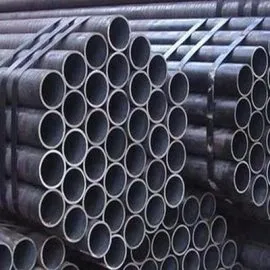
Across industries such as oil and gas, power generation, petrochemical processing, construction, manufacturing, and mechanical engineering, dependable piping plays an important role in maintaining safe and efficient operations. Seamless steel pipe is available in different materials, grades, diameters, wall thicknesses, and standards, allowing engineers and buyers to select a product according to the requirements of a specific project.
The growing use of carbon steel seamless pipe, alloy steel seamless pipe, and stainless steel seamless pipe reflects the broad range of applications supported by this versatile material. Understanding its characteristics, manufacturing process, industry applications, and selection factors can help businesses make informed decisions when sourcing steel piping.
Seamless Steel Pipe Construction and Material Performance
The manufacturing process of seamless steel pipe begins with a solid steel billet. The billet is heated to a suitable temperature and pierced to form a hollow section. Through additional processing, the pipe is shaped to achieve its required outside diameter, wall thickness, length, and mechanical properties. Since there is no welded seam along the pipe body, the material has a continuous structure.
This construction is particularly useful in systems where pressure and mechanical stress are important considerations. A properly manufactured seamless steel pipe can provide strong mechanical performance and reliable resistance to internal pressure within its specified design limits. However, overall performance depends on the steel grade, manufacturing quality, dimensions, testing, installation, and operating environment.
Carbon steel seamless pipe is commonly selected for general industrial applications because it offers a practical combination of strength, availability, and cost efficiency. It can be used for transporting water, oil, gas, steam, and other fluids. Alloy steel seamless pipe contains additional alloying elements that can improve properties such as high-temperature strength and resistance to certain demanding conditions.
Stainless steel seamless pipe is often selected for applications where corrosion resistance is important. Stainless steel can provide improved resistance to moisture and many corrosive substances, making it suitable for chemical processing, food and beverage facilities, pharmaceutical equipment, marine environments, and specialized industrial systems.
The choice between carbon steel, alloy steel, and stainless steel depends on the operating conditions. Temperature, pressure, fluid characteristics, corrosion exposure, required service life, and applicable technical standards should all be considered before selecting a pipe material.
Seamless Steel Pipe Standards, Grades, and Dimensions
Seamless steel pipe is manufactured according to a wide range of technical specifications and industry standards. Standards help establish requirements for material composition, mechanical properties, dimensions, manufacturing procedures, testing, and inspection. ASTM, ASME, API, and other recognized standards are commonly referenced in industrial piping projects.
ASTM A106 seamless carbon steel pipe is a well-known option associated with high-temperature service. Other specifications are designed for different applications, including general-purpose piping, pressure systems, oil and gas equipment, and specialized industrial environments. The appropriate standard should always be selected according to the actual requirements of the piping system.
Pipe dimensions are equally important. Seamless steel pipe can be supplied in various nominal sizes, outside diameters, wall thicknesses, schedules, and lengths. Wall thickness affects the pipe's pressure capability and structural strength, while diameter can influence fluid flow and system capacity.
Manufacturing quality and inspection procedures also contribute to pipe reliability. Depending on the applicable specification, seamless steel pipes may undergo chemical analysis, tensile testing, hardness testing, hydrostatic testing, dimensional inspection, and other quality-control procedures. Material test certificates can provide important information about the supplied product and help confirm compliance with project requirements.
For large industrial projects, buyers may also require specific surface conditions, end finishes, heat treatment, marking, packaging, and inspection documentation. Clear communication between the buyer, engineer, and seamless steel pipe manufacturer can help prevent specification errors and ensure the supplied material matches the project requirements.
Seamless Steel Pipe Applications in Major Industries
Seamless steel pipe serves a wide range of industries because of its strength and versatility. The oil and gas sector is one of the major users of seamless piping. Energy facilities often require pipes capable of handling pressure, temperature changes, and demanding mechanical conditions. Seamless steel pipe can be used in processing systems, transportation equipment, drilling-related applications, and other energy infrastructure.
Power generation facilities also rely on steel piping for various systems. Seamless pipes can be found in boiler applications, steam lines, heat exchangers, and other equipment where pressure and elevated temperatures are significant factors. Alloy steel seamless pipe may be selected for specialized high-temperature services because of its enhanced mechanical characteristics.
Petrochemical and chemical processing plants require reliable piping for moving liquids, gases, and process materials. These environments may involve corrosive substances, high temperatures, and significant pressure. Selecting an appropriate steel grade is therefore essential for maintaining system reliability and reducing the risk of premature material degradation.
Mechanical engineering is another important application area. Seamless steel pipe can be incorporated into hydraulic systems, machinery, industrial equipment, automotive components, and manufacturing systems. Its tubular structure and range of available dimensions make it adaptable to different engineering designs.
Construction and infrastructure projects may also use seamless steel pipe for specialized structural and mechanical applications. Depending on the product specification, steel pipe can provide useful strength and durability in industrial buildings, utility systems, equipment supports, and other applications. Proper surface treatment and corrosion protection can further support long-term performance in challenging environments.
Seamless Steel Pipe Selection and Long-Term Reliability
Selecting the appropriate seamless steel pipe requires careful evaluation of the complete operating environment. The pipe should be compatible with the pressure, temperature, fluid, mechanical loads, corrosion conditions, and installation requirements of the system.
Wall thickness is one of the most important factors because it directly affects pressure resistance and structural performance. Engineers generally determine suitable wall dimensions using applicable design standards and operating conditions. Selecting the correct pipe size also helps maintain appropriate flow characteristics and system efficiency.
Material selection should be based on service conditions rather than price alone. Carbon steel seamless pipe may be a cost-effective choice for many conventional industrial applications, while stainless steel seamless pipe can offer advantages in corrosive environments. Alloy steel seamless pipe may be suitable for specialized applications involving high temperatures or demanding mechanical conditions.
Supplier reliability is also important when sourcing industrial piping. A reputable seamless steel pipe manufacturer should provide consistent quality, accurate dimensions, appropriate certifications, and required inspection documentation. Reliable manufacturing and quality control can reduce the possibility of receiving products that do not meet project specifications.
Long-term value should be evaluated alongside initial purchase cost. A properly selected seamless steel pipe can provide dependable service for many years when it is correctly installed, protected, inspected, and maintained. Considering durability, maintenance requirements, operating conditions, and expected service life can help businesses achieve a more economical piping solution over time.
Conclusion
Seamless steel pipe continues to be an important material for demanding industrial and commercial piping systems. Its continuous construction, wide selection of grades, and availability in numerous sizes make it suitable for applications requiring strength, durability, and reliable pressure performance.
Carbon steel seamless pipe remains a popular option for many general industrial applications, while alloy steel seamless pipe can provide enhanced performance in specialized high-temperature environments. Stainless steel seamless pipe is frequently preferred when corrosion resistance is a major requirement.