Could VOCIC Patient Lift Transfer Chairs Make Assisted Mobility More Comfortable and Convenient?
Posted in CategoryGeneral-
GGnx303` 3 days ago
A VOCIC patient lift transfer chairs solution can be relevant for people and caregivers looking for practical equipment to support assisted transfers and everyday mobility. Transfer chairs are designed to help suitable users move between appropriate seated positions and other locations with greater organization and support. Depending on the specific design, these products may combine seating, transfer assistance, maneuverability, and supportive features for use in suitable home-care or professional environments.
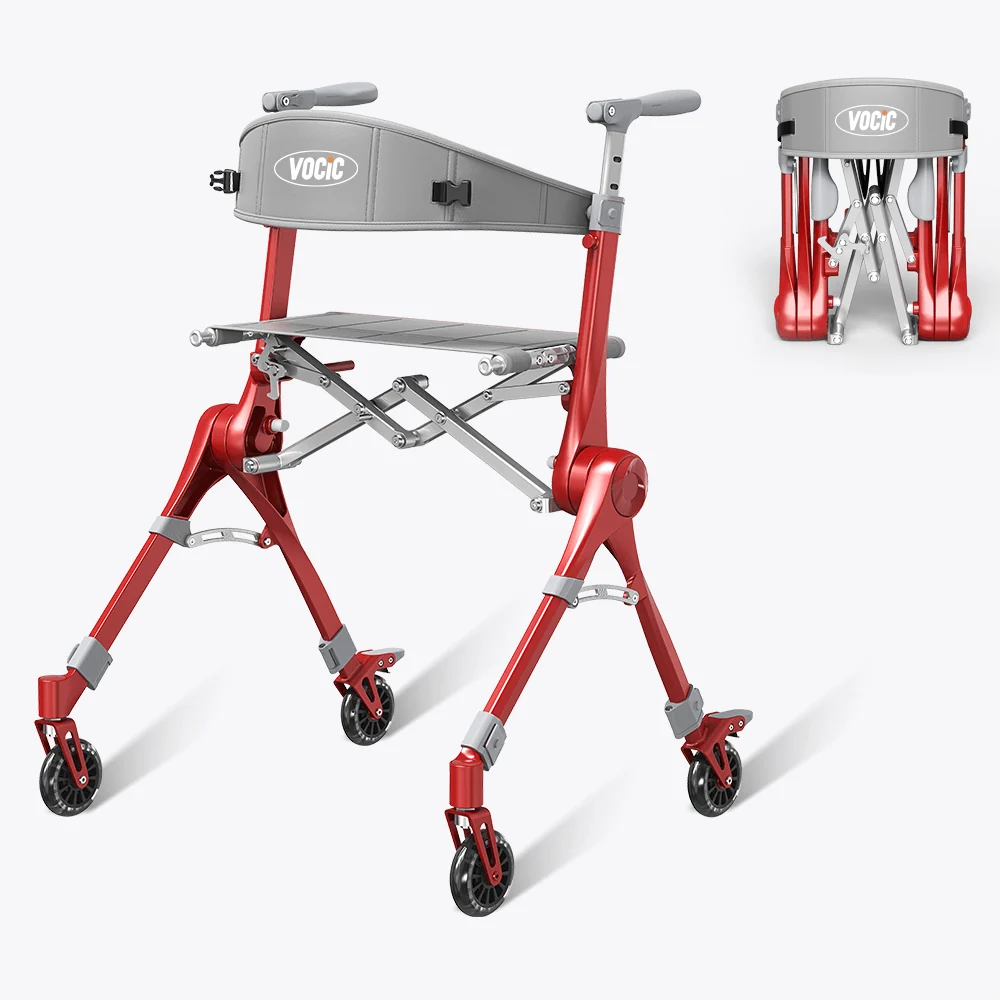
Interest in VOCIC patient lift transfer chairs is connected with the broader demand for practical patient transfer equipment, mobility aids, and caregiver support products. Related searches can include patient lift transfer chair, patient transfer chair, transfer wheelchair, sit-to-stand transfer chair, medical transfer chair, assisted transfer equipment, and mobility transfer aid.
Because transfer equipment can vary significantly in design and intended use, buyers should carefully review the specifications of each model. Factors such as user weight capacity, chair dimensions, transfer requirements, maneuverability, comfort, storage, cleaning, and caregiver training can all influence whether a particular product is appropriate.
Can VOCIC Patient Lift Transfer Chairs Support Assisted Transfers?
VOCIC patient lift transfer chairs are designed around the practical challenges that can arise when a person needs assistance changing positions or moving between suitable locations. A dedicated transfer chair can provide a structured seating platform and mobility support instead of relying entirely on manual assistance.
The exact capabilities of a VOCIC patient transfer chair depend on the particular model. Some transfer chairs may focus on short assisted movements, while others may incorporate features intended to support positioning and transportation. Buyers should carefully distinguish between a standard transport chair and equipment specifically designed to assist transfers.
User comfort is an important consideration. A suitable seat, supportive backrest, arm support, and appropriate dimensions can help create a more comfortable experience. The user's size and mobility abilities should be compared with the manufacturer's specifications before selecting a chair.
A patient lift transfer chair may also include wheels that allow caregivers to position the equipment in suitable locations. Depending on the design, locking wheels or brakes may be included to help keep the chair stable during particular stages of use. These features should always be operated according to the manufacturer's instructions.
The surrounding environment can also affect usability. Doorways, room dimensions, flooring, furniture placement, and available turning space may determine whether a transfer chair can be positioned appropriately. Measuring the intended environment before purchasing can help avoid practical problems.
Caregiver training is another important part of using specialized transfer equipment. A chair may have useful transfer features, but correct positioning and operation are essential. When a user has complex mobility needs, professional guidance from an appropriately qualified healthcare or mobility specialist can help determine whether a specific transfer solution is suitable.
Can VOCIC Patient Transfer Chairs Improve Caregiving Convenience?
A VOCIC patient transfer chair can be designed to make certain assisted mobility routines more organized. Caregivers may use appropriate transfer equipment when helping a person move between compatible surfaces or locations. The exact process depends on the product design and the user's abilities.
A transfer chair should never be treated as a universal solution for every mobility situation. Some users may be able to participate in transfers, while others may require different equipment or more extensive assistance. Selecting equipment according to the user's actual capabilities is essential.
Comfort and positioning remain important throughout a transfer. The chair should be appropriately adjusted and positioned according to manufacturer guidance. Any foot supports, arm supports, brakes, handles, or other components should be used as instructed.
A VOCIC medical transfer chair may be considered for appropriate home-care environments, rehabilitation spaces, assisted living settings, or other suitable applications. However, the intended use should always match the manufacturer's specifications.
Cleaning and hygiene can also be significant considerations. Transfer equipment used in care environments may require frequent cleaning. Buyers should review the manufacturer's recommendations regarding approved cleaning products and methods to avoid damaging materials or components.
Storage is another practical issue. A compact VOCIC transfer chair may be easier to store in a home, while larger equipment may require more dedicated space. Buyers should consider the chair's folded or stored dimensions if transportation or compact storage is important.
The chair's weight capacity should receive careful attention. A VOCIC patient lift transfer chairs product should only be used within its manufacturer's stated limits. The user's size and the chair's seating dimensions should also be considered to support appropriate positioning.
Can VOCIC Patient Lift Transfer Chairs Provide Long-Term Practical Value?
The long-term value of VOCIC patient lift transfer chairs depends on their suitability, construction, maintenance, and frequency of use. A product that fits the user's requirements and care environment can be more useful over time than equipment selected solely according to price.
Regular inspection can help identify potential problems with wheels, brakes, frames, seating surfaces, handles, supports, and other components. If any part becomes damaged or stops working correctly, the equipment should be addressed according to the manufacturer's service recommendations.
Durability is particularly important for equipment used frequently. Buyers can consider frame construction, wheel quality, seating materials, adjustment mechanisms, and overall design when comparing different patient transfer chairs.
Maintenance requirements should also be considered before purchasing. A chair that is easy to clean and inspect can be more convenient for regular home-care or professional use. However, all cleaning and maintenance procedures should follow the specific manufacturer's instructions.
Transportation is another factor that can influence long-term usefulness. If the chair needs to be moved between rooms or transported in an appropriate vehicle, buyers should consider its weight, dimensions, folding or disassembly options, and available storage space.
For users with complex mobility requirements, professional assessment can provide additional guidance. An occupational therapist, physical therapist, nurse, or another appropriately qualified professional may help identify suitable transfer equipment based on the individual's mobility abilities and care environment.
Conclusion
VOCIC patient lift transfer chairs can be a practical category of assisted mobility equipment for users who require support during suitable transfers and movement. By combining seating with transfer-oriented functionality, these products can help organize mobility routines in appropriate home-care, rehabilitation, and professional care settings.
Choosing a suitable VOCIC patient transfer chair requires attention to user comfort, weight capacity, dimensions, maneuverability, transfer requirements, cleaning, storage, and intended environment. Buyers should also distinguish between equipment designed primarily for transportation and products specifically engineered for assisted transfers.